

You can walk through two homes with identical square footage, similar floor plans, and comparable material quality, and one will feel unmistakably better. The difference has nothing to do with budget or size. It has everything to do with integration.
Great custom homes achieve something that transcends their individual components. Every detail matters, but the real magic happens when those details work together in harmony. This is the philosophy behind every Hensley home built over the past 40 years.
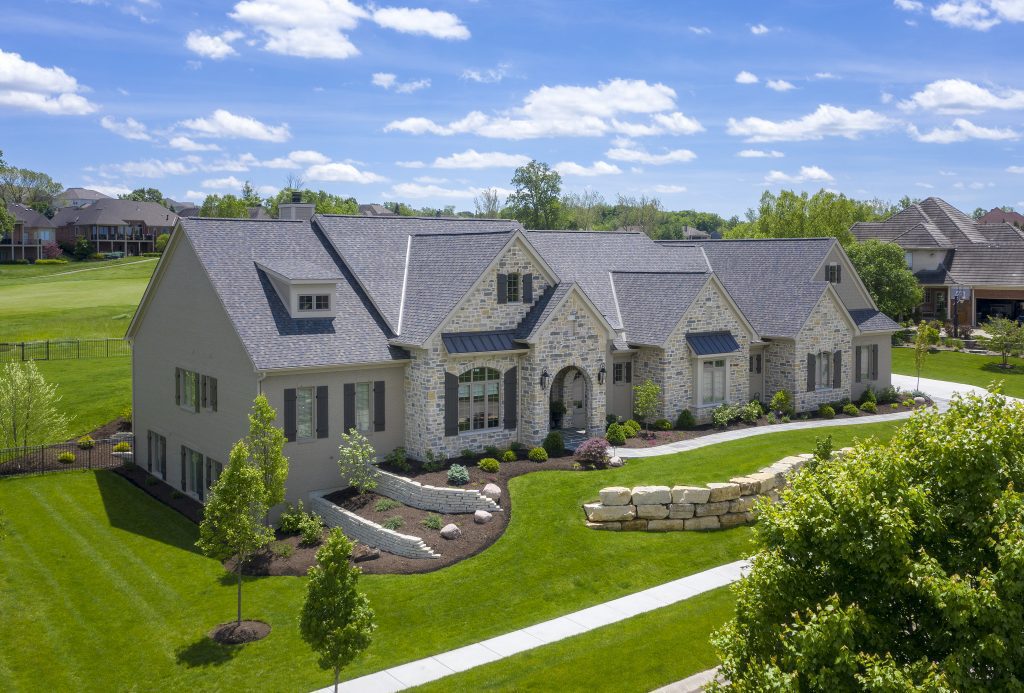
When Parts Work Together, Something Greater Emerges
Consider your favorite symphony. Each instrument plays its part beautifully, but the power of the performance comes from how those instruments work together. Remove the harmony and coordination, and you have talented musicians playing in the same room. Add integration, and you create something that moves people to tears.
Custom luxury homes work the same way. You can select premium materials, hire skilled craftspeople, and design beautiful spaces. Those elements alone create a nice home. But when design, materials, craftsmanship, and vision integrate seamlessly, something remarkable happens. The home becomes more than a collection of fine finishes. It becomes a place that feels right in ways you might struggle to articulate.
This integration happens through intentional coordination. It requires everyone involved in the process to understand not just their piece of the puzzle, but how their work connects to the larger vision. This is why Hensley Homes operates as a true design-build partner rather than separating design and construction into disconnected phases.
How Integration Shapes Every Element
Site and Structure Working as One
The relationship between a home and its site provides the clearest example of integration. A beautiful home design placed thoughtlessly on a lot remains just that: a design placed on land. When site and structure integrate from the beginning, the home feels like it belongs.
We walk clients through every property before design begins. The way morning light falls across the lot matters. The natural grade and drainage patterns matter. The mature trees and views matter. These site realities shape floor plans, window placements, outdoor living spaces, and room orientations.
One home we built in Indian Hill had a spectacular old oak on the property. Rather than work around it or remove it, we integrated it into the design. The breakfast room windows frame it perfectly. The covered terrace extends to create a natural gathering space beneath its canopy, while the driveway curves to preserve the root system. The oak became part of the home’s story because we treated site and structure as partners rather than obstacles to overcome.
This integration continues throughout the building process. The foundation design accounts for natural water flow. The roofline respects the surrounding tree canopy. The material palette complements the landscape. Each decision reinforces the others, creating a home that feels settled and permanent from the day you move in.
Architectural Style and Interior Function
Too many custom homes treat exterior aesthetics and interior function as separate concerns. The result might look impressive from the curb, but living in it feels awkward. Rooms that should flow together feel disconnected. Beautiful architectural details create weird interior spaces. Function compromises style, or style compromises function.
Integration demands that exterior architecture and interior function inform each other from the start. When our design team works with clients on preliminary plans, we consider both how the home will look and how it will be lived in. These conversations happen together, not sequentially.
A family that loves to entertain needs more than a large dining room. They need a floor plan that connects the kitchen, dining, and outdoor spaces naturally. They need sightlines that let a host see guests throughout the main level. They need practical details, such as a service path from the garage to the kitchen that doesn’t cut through entertaining spaces.
The exterior architecture supports this vision. Window placements frame outdoor entertaining areas visible from inside. The roofline creates covered outdoor spaces that extend the living area. Entry sequences welcome guests while providing practical mudroom functions for daily family life. Every architectural decision serves both beauty and purpose.
Materials Creating Cohesive Environments
Material selection provides another opportunity for integration or discord. You can choose premium materials, but if they do not work together, your home can still feel disjointed.
Hensley Homes guides clients through material selection with the entire home in mind. The exterior stone influences interior stone selections. The hardwood flooring tone coordinates with cabinetry choices. The metal finishes remain consistent throughout the home. This does not mean everything matches. It means everything relates.
One project featured a beautiful limestone exterior. We carried that material inside to create an interior accent wall in the great room. The same stone appears in the outdoor fireplace and terrace walls. Suddenly, the material threads through the home, creating visual continuity between inside and outside, between architectural elements and living spaces.
This integration extends to details most people never consciously notice but absolutely feel. The scale of trim details remains consistent. The cabinetry reveal relates to the baseboard reveal. The grout line width in tile work is consistent across applications. These coordinated details create a sense of intentionality that people experience as a quality.
Systems and Design Working Invisibly
True integration includes elements you never see. The mechanical systems, structural engineering, and technical infrastructure work in the service of the design rather than fighting against it.
We design HVAC systems that provide comfort without compromising aesthetics. Vents integrate into the architecture rather than appearing as afterthoughts. Returns place where they function well without dominating walls. The equipment itself is located where it serves the home without creating noise or visual intrusions.
The same thinking applies to lighting design, which we treat as integral to architecture rather than applied decoration. We plan electrical and lighting during the design phase, not during construction. This means we can recess fixtures into ceiling details, integrate task lighting into cabinetry designs, and create layered lighting that enhances architecture rather than competing with it.
Structural engineering follows the same philosophy. Beams and supports work with the design to create the spaces clients want. We do not ask clients to compromise their vision because the structure gets designed as an afterthought. The engineering team collaborates with the design team from the beginning, finding creative solutions that achieve both structural integrity and design excellence.
The Design-Build Difference
This level of integration requires a different approach than traditional home building. When design and construction happen in sequence rather than in partnership, integration becomes extremely difficult.
The traditional model separates these phases. An architect designs the home. Then a builder figures out how to build what the architect drew. Then, subcontractors figure out how to execute what the builder needs. Each handoff creates opportunities for the vision to fragment.
The design-build model integrates these roles from the start. Our design team includes construction expertise. Our construction team understands design intent. Our network of proven craftspeople and subcontractors participates in the planning process. Everyone works from the same vision because everyone helps shape it.
This integration means we catch potential conflicts before they become construction problems. It means we can evaluate design ideas against real-world construction realities immediately. It means the cabinetmaker understands how the millwork needs to integrate with the tile work, and both understand how their work relates to the overall design.
John Hensley personally oversees every project to ensure this integration never breaks down. With a limited number of homes under construction at any time, he can be present for the moments when decisions integrate multiple systems, materials, or design elements. This hands-on involvement preserves the coordinated thinking that makes homes feel cohesive.
Why Integration Matters to You
You might wonder whether this level of integration actually affects your daily experience of a home. The answer is absolutely yes, even if you cannot articulate exactly why.
Homes with true integration feel calm. You move through spaces naturally without thinking about it. Sightlines make sense. Proportions feel right. Details that could distract or irritate at work. The home supports your life rather than demanding your attention.
Integrated homes age well because they were never designed to chase trends. When every element reinforces the others toward a timeless vision, the home maintains its appeal across decades. This is why you see “Hensley Home” listed as a feature in Indian Hill real estate listings. That integration creates enduring value.
These homes also adapt better to changing needs. When the original design integrates site, structure, systems, and aesthetics successfully, modifications and updates can be made without compromising the home’s character. The strong bones of integrated design support evolution.
Perhaps most importantly, integrated homes feel better to live in. Humans respond to environments where everything works together harmoniously. We might not consciously notice every coordinated detail, but we absolutely feel the cumulative effect of thoughtful integration.
Building Integration Into Every Project
Creating this level of integration requires discipline, collaboration, and experience. It requires resisting the temptation to make quick decisions in isolation. It requires thinking several steps ahead to understand how choices ripple through the entire project.
Hensley Homes has refined this approach over four decades and more than 400 custom homes. Our process builds integration into every phase. The preliminary planning phase considers site, structure, and systems together. The material selection process coordinates finishes across the entire home. The construction phase keeps the integrated vision on track through completion.
Our network of proven professionals shares this commitment to integration. The architects we partner with understand that their designs will be built by craftspeople they will work alongside throughout the process. The subcontractors know their work needs to coordinate seamlessly with a dozen other trades. Everyone involved understands that their contribution serves a larger vision.
This collaborative approach requires trust. It requires clients who value the integration enough to engage thoughtfully in the process. It requires team members who care more about the final result than just their individual piece. When that trust and commitment exist, something remarkable becomes possible.
The Whole Exceeds the Parts
Every Hensley home includes beautiful materials, skilled craftsmanship, and thoughtful design. Those elements alone would create a very nice home. What makes the difference is how those elements work together.
When site selection informs architecture, when function and beauty reinforce each other, when materials create cohesive environments, when systems serve design seamlessly, the result transcends the sum of individual choices. You create a home that feels complete, intentional, and exactly right.
This is the standard we hold for every project. Not because we chase perfection for its own sake, but because we know the difference integration makes in how a home lives. We have seen it in the homes we built 35 years ago that still feel elegant and current. We hear it from clients who struggle to explain why their home feels better than others they visit.
Great homes are greater than their parts. This truth guides everything we do.
Ready to Create an Integrated Home?
If you are considering a custom luxury home in Indian Hill or the greater Cincinnati area, we would be honored to discuss your vision. Hensley Homes brings 40 years of experience creating integrated custom homes where every element works in harmony. Contact us at (513) 509-5010 or through our Start the Conversation page to schedule a consultation.
To explore examples of integrated design in completed Hensley homes, visit our Home Galleries. To learn more about our collaborative design-build process, explore our Custom Home Resources Library.
